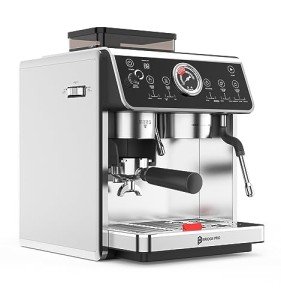
10 Quick Tips To Energy-Efficient Espresso Machines
Energy-Efficient Espresso Machines: A Comprehensive Guide
On the planet of coffee lovers, espresso machines are frequently considered vital devices for brewing rich, aromatic coffee. Nevertheless, the energy intake associated with these machines can cause increased energy bills and ecological concerns. As customers become more eco-conscious, energy-efficient espresso machines have become a popular choice. Cappuccino Machines intends to explore the functions, advantages, and options readily available in energy-efficient espresso machines, helping coffee fans make informed options.
What Makes an Espresso Machine Energy-Efficient?
Energy-efficient espresso machines are created to decrease energy consumption while maintaining optimal performance. A number of features add to the energy efficiency of these machines:
Insulation: High-quality insulation assists retain heat, minimizing the energy required to keep optimum developing temperatures.
Smart Technology: Many modern machines are equipped with programmable settings that enable users to schedule brewing times and switch to standby mode when not in use.
Quick Heat-up Time: Energy-efficient espresso machines typically use sophisticated heating technologies, such as thermoblocks or PID controllers, to heat water quickly.
Low Wattage: Machines that run at lower wattages consume less energy in general, making them more effective.
Automobile Shut-off: Automatic shut-off features make sure that the machine shuts off after a particular duration of inactivity, additional reducing energy waste.
Benefits of Energy-Efficient Espresso Machines
Buying an energy-efficient espresso machine can use a number of advantages:
Cost Savings: Over time, lower energy intake can result in decreased electricity bills.
Environmental Impact: Using less energy minimizes carbon footprints, making these machines a more sustainable option for ecologically mindful consumers.
Improved Performance: Many energy-efficient designs likewise offer superior developing technologies, leading to better-tasting espresso.
Durability: Typically, energy-efficient machines are developed with high-quality parts, leading to higher longevity.
Functions to Consider
When selecting an energy-efficient espresso machine, numerous functions ought to be taken into consideration:
- Type of Machine: Options consist of manual, semi-automatic, and fully automatic designs, each with differing degrees of user control and automation.
- Brew Quality: Look for machines that utilize high-quality developing systems to guarantee optimum flavor extraction.
- Upkeep: Some machines have self-cleaning features that can conserve energy and effort in maintenance.
- Capability: Depending on personal or household size, machine capability can affect energy intake, with bigger machines often requiring more power.
Popular Energy-Efficient Espresso Machines
The marketplace uses a range of energy-efficient espresso machines dealing with different needs and preferences. Below are some notable models:
Brand
Design
Secret Features
Energy Consumption
Breville
Barista Express
Integrated grinder, PID temperature control, fast heat-up.
Low
DeLonghi
EC155
Compact size, easy to use, long lasting build.
Moderate
Rancilio
Silvia
Durable style, excellent temperature level stability, and has a low ecological effect.
Moderate
Gaggia
Classic
Dependable manual operation, long lasting brass elements, and effective steaming capability.
Low
Jura
E8
Fully automatic, smart features, and a removable brew group for simple cleansing.
Low
Tips for Optimal Energy Efficiency
Aside from picking an energy-efficient design, customers can adopt a number of practices to take full advantage of energy performance:
- Preheat: If your machine has a pre-heating function, use it to make sure that the optimum temperature is reached rapidly before developing.
- Turn Off After Use: Always turn off the machine after brewing or use machines with vehicle shut-off functions.
- Routine Maintenance: Keep the machine well-kept to guarantee it operates effectively and successfully.
FAQs About Energy-Efficient Espresso Machines
1. Are energy-efficient espresso machines more expensive?
While the initial investment might be higher for energy-efficient models, the long-lasting savings on electrical energy bills can offset the initial expense. In addition, many energy-efficient machines featured innovative functions that enhance the developing experience.
2. How do I know if an espresso machine is energy-efficient?
Search for indications such as Energy Star certification, user reviews, and specs relating to wattage and heat-up time. Machines with particular functions aimed at minimizing energy consumption are usually created for better performance.
3. Can I use an energy-efficient espresso machine for other coffee designs?
Many energy-efficient espresso machines use versatility, allowing users to brew different coffee designs beyond espresso, such as lattes and coffees, by including steaming abilities.
4. Do energy-efficient models sacrifice quality for performance?
Not necessarily. Numerous energy-efficient espresso machines are geared up with high-quality brewing innovation that can boost flavor extraction while lowering energy consumption.
5. What upkeep is required for energy-efficient espresso machines?
Routine maintenance involves cleaning the machine, descaling when essential, and regularly checking seals and gaskets to guarantee optimum efficiency and energy performance.
Energy-efficient espresso machines represent a perfect mix of efficiency, cost savings, and environmental obligation. By considering numerous functions, benefits, and brands, customers can pick a design that matches their unique preferences while contributing favorably to the environment. As the trend towards sustainable living grows, the popularity of energy-efficient appliances, including espresso machines, is likely to continue its upward trajectory, offering coffee lovers a guilt-free way to enjoy their day-to-day dosage of espresso.